Companies with their own processes
They handle orders, files, bookings or documents in a way standard software does not cover.
Custom web applications
Private areas, internal tools, platforms and integrations between systems. We start by analysing the process and build it in phases you can use and validate.
The problem
Data copied by hand between systems, clients asking for information by email because they have no area of their own, an off-the-shelf tool that does not fit how your team works. These are signs that the process needs its own application or an integration.
A custom application is not a bigger website: it requires analysis, decisions about data and permissions, testing and maintenance. That is why we treat it as a different purchase from corporate web development.
Who it is for
They handle orders, files, bookings or documents in a way standard software does not cover.
They need the ERP, shop, CRM or a supplier to share data without duplication.
Start-ups and companies launching a SaaS platform that need product design and development.
WordPress platforms requiring their own features, custom plugins or private areas.
Solutions and deliverables
We work mainly with PHP (including WordPress as a framework where it makes sense), Node.js and relational databases. Technology is chosen for the project and its future maintenance.
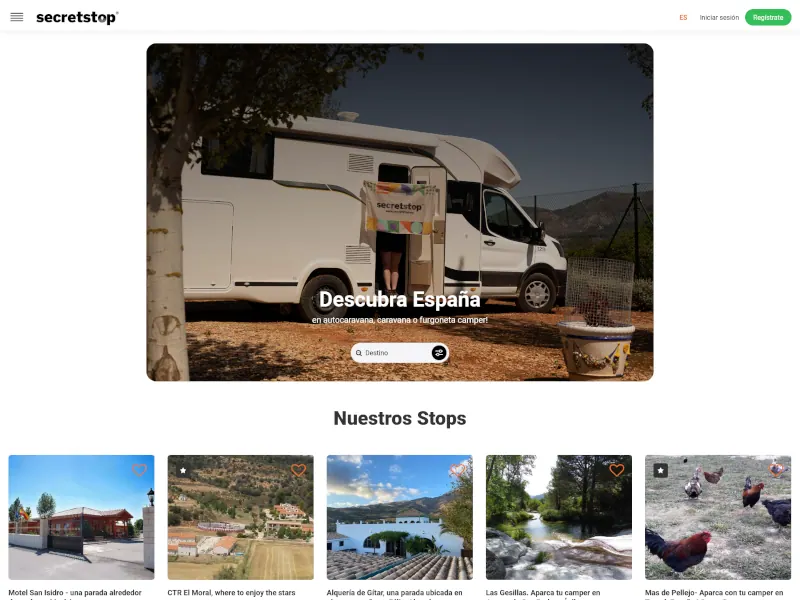
Client, partner or host areas with permissions, documents, orders or bookings, like the Secretstop intranet.
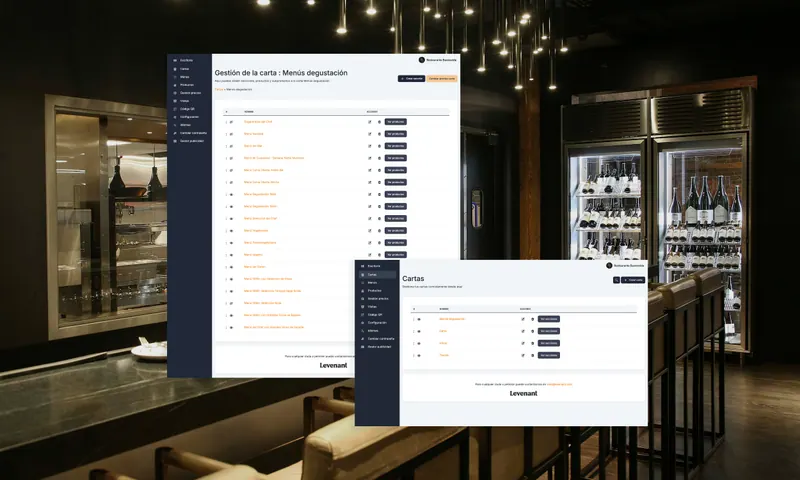
Management panels, approval flows and databases that replace scattered spreadsheets.
Product design and modular architecture, as in Senviro or ScanmiMenu.
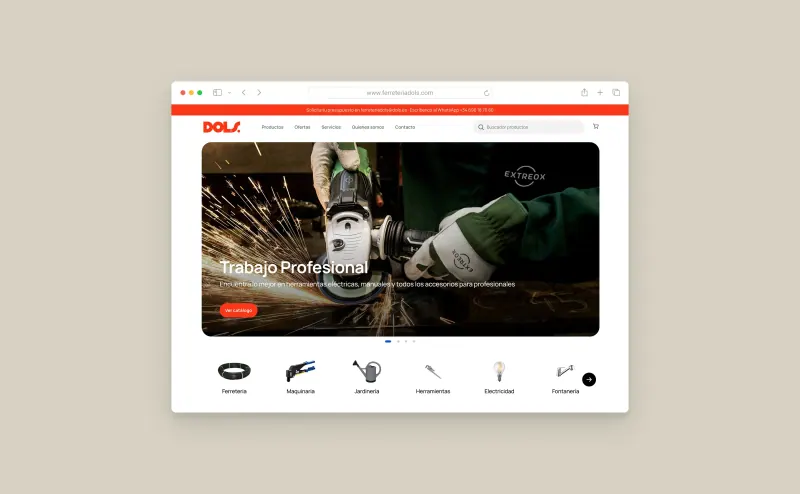
Connections with ERPs, CRMs, suppliers and APIs to synchronise data, like Ferretería Dols’ shop with its ERP and COINFER.
Bespoke features when a standard plugin does not fit or adds unnecessary dependencies.
Legacy code review, bug fixing and new features on a base that already works.
Process
Interviews with the people who run the process, an inventory of data and systems, permissions and edge cases. Output: a scope document.
Key flows and interfaces to validate usage before coding.
Usable deliveries with acceptance criteria. Most valuable first.
Data migration, training, backups, updates and evolution with the same technical contact.
Someone who knows the process and can make decisions, access to the data and systems involved, and testing at each delivery. Without that, a custom application does not turn out well.
Related work
Real cases where we have done this type of work. Each case explains our exact involvement.

Scope and exclusions
Engagement
Discovery + phased development. First we quote the functional analysis; with its results, each development phase with a fixed scope and price. Ongoing maintenance is agreed separately depending on how critical the application is.
Frequently asked questions
Because without understanding data, permissions and exceptions, any quote for an application is a guess. The analysis reduces risk for both sides and remains useful even if you choose another supplier to build it.
Yes, where appropriate: PHP underpins many of our builds and WordPress. We also work with Node.js. We choose based on the project and who will maintain it.
Ownership and licensing terms for custom development are set out in the contract. Third-party libraries keep their own licences.
Yes, after reviewing the code and environment. We will tell you honestly whether to evolve it or rebuild parts.
Related services
Next step
What you do today, with which tools and what you would like to happen. With that we will suggest how to start the analysis.